Climate-Smart Farming for a Resilient Future in Kenya
Climate change is no longer a distant threat—it’s a daily reality for millions of Kenyan farmers. Erratic rainfall, prolonged droughts, rising temperatures, and new pest infestations are impacting agricultural productivity across the country. In response, climate-smart farming has emerged as a critical solution for safeguarding food security and building farmer resilience.
Climate-smart agriculture (CSA) refers to farming practices that sustainably increase productivity, enhance resilience, and reduce greenhouse gas emissions. For Kenya, CSA offers a pathway to future-proof its agricultural sector while ensuring that farmers can continue to feed the nation.
Why Climate-Smart Farming Is Vital
Kenya’s economy is deeply tied to agriculture, yet the sector remains highly vulnerable to climate shocks. According to the Kenya Meteorological Department, droughts now occur more frequently and with greater severity, particularly in arid and semi-arid regions.
Without adapting to changing climatic conditions, farmers face declining yields, food shortages, and rising poverty. CSA integrates adaptation, mitigation, and productivity into one strategy, making it essential for long-term sustainability.
Key Climate-Smart Farming Practices
Drought-Tolerant Crops
Varieties such as drought-resistant maize, sorghum, millet, and legumes are helping farmers maintain yields even in dry seasons. These crops also tend to mature faster, reducing the risk of crop failure.
Conservation Agriculture
Practices like minimal tillage, mulching, and crop rotation enhance soil structure, retain moisture, and reduce erosion. These methods not only improve yields but also cut input costs over time.
Agroforestry
Integrating trees with crops and livestock provides shade, conserves moisture, and enhances biodiversity. Trees like Grevillea and Calliandra fix nitrogen in the soil and offer alternative income sources such as firewood or animal fodder.
Water Harvesting and Efficient Irrigation
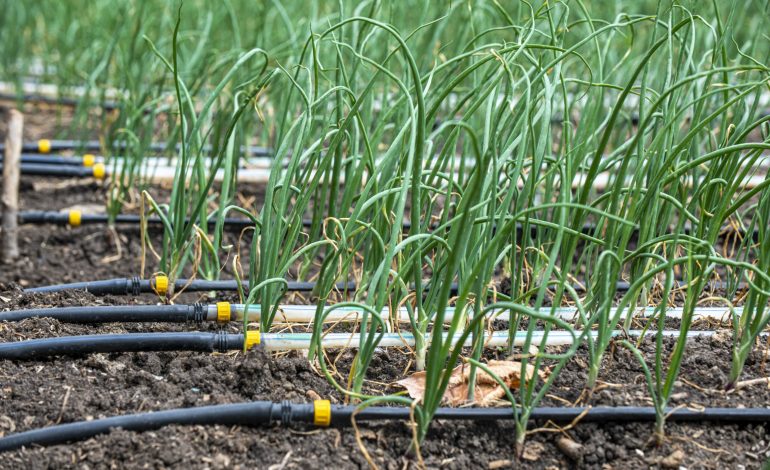
Techniques such as water pans, rooftop catchment systems, and drip irrigation enable farmers to conserve and use water efficiently, especially in areas with unreliable rainfall.
Barriers to Climate-Smart Adoption
Limited Awareness and Training
Many smallholder farmers are unaware of CSA techniques or lack the knowledge to implement them correctly. Extension services and demonstration farms are key to bridging this gap.
Access to Climate-Resilient Inputs
Drought-tolerant seeds, soil conditioners, and irrigation tools are often expensive or unavailable in remote areas. Partnerships with input suppliers and government subsidies can improve access.
Financial Constraints
Adapting to CSA may require upfront investment. Access to microfinance, weather-indexed insurance, and savings programs can support farmers through the transition.
Local Impact: CSA in Action
In Kitui County, a women’s farming group adopted conservation agriculture and water harvesting. Within two seasons, their yields of sorghum and green grams doubled, even during a dry year. The group now trains neighboring communities and has formed a cooperative to market surplus harvests.
NGOs such as World Agroforestry Centre (ICRAF) and local initiatives like Climate-Smart Agriculture Youth Network (CSAYN) are also playing vital roles in scaling CSA across Kenya.
Conclusion: Building a Climate-Resilient Agriculture System
Climate-smart farming is not just about survival—it’s about building a better future. With Kenya’s agricultural sector facing climate extremes, CSA offers a solution rooted in innovation, sustainability, and inclusivity.
Scaling up CSA practices will require multi-stakeholder collaboration—government policy, private sector investment, community engagement, and farmer empowerment. The time to act is now. Kenya’s farmers need smart tools for a smarter, climate-resilient tomorrow.


